


System Design
Think like a senior engineer.
System design is how experienced engineers turn requirements into architectures that scale, stay reliable and remain affordable. This course teaches the building blocks, the trade-offs between them and a clear way to communicate your designs.
It's built for working developers preparing for senior roles or system design interviews. Every week includes a design exercise reviewed live, from URL shorteners to chat systems and news feeds.
Enroll nowWhat You'll Learn
Practical skills taught through real projects, reviewed by mentors who use them at work every day.
Requirements & Estimation
Clarify scope, estimate load and storage, and set the right goals before drawing boxes.
Core Building Blocks
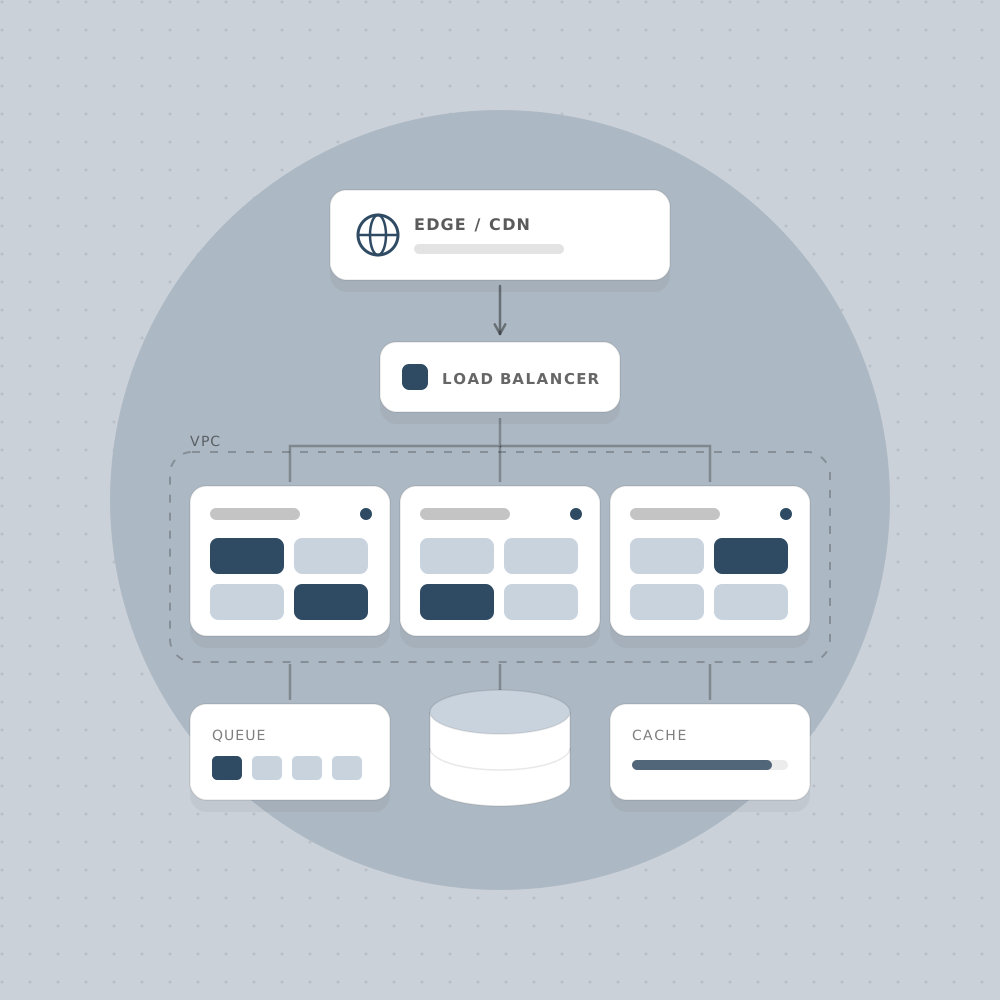
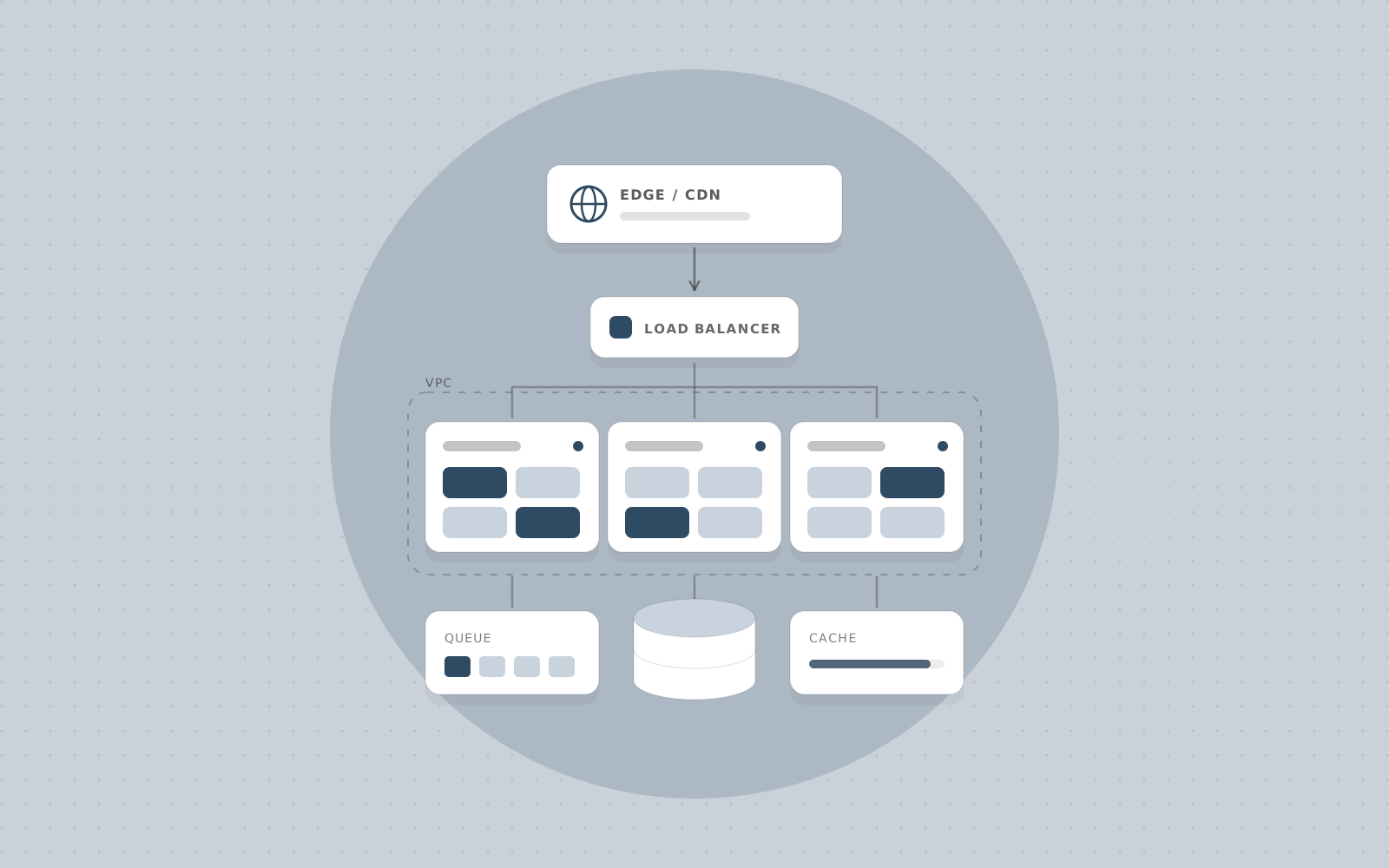
Load balancers, caches, CDNs, queues and databases, and what each one is for.
Data at Scale
Replication, sharding, consistency models and choosing the right store.
Distributed Patterns
Event-driven design, idempotency, retries and back-pressure.
Reliability & Observability
Redundancy, failure modes, monitoring and graceful degradation.
Communicating Designs
Present trade-offs clearly in design reviews and interviews.
Curriculum
Latency, throughput, availability and back-of-the-envelope maths.
Load balancing, statelessness, CDNs and caching strategies.
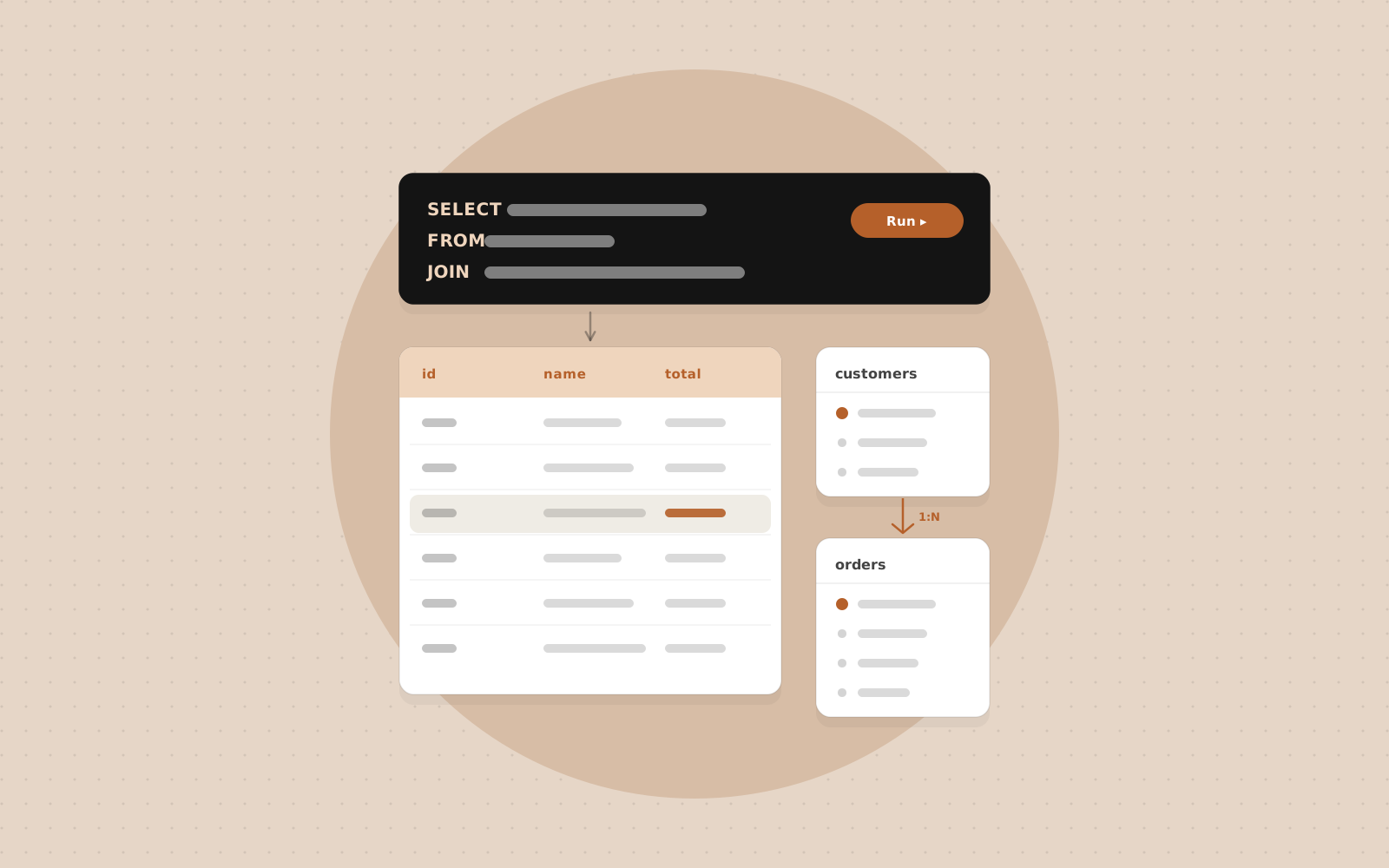
SQL versus NoSQL at scale, partitioning and consistency.
Queues, streams, event-driven architecture and exactly-once myths.
Designing for failure and knowing when something goes wrong.
Design a URL shortener, chat app, news feed and ride-hailing service.
Timed design interviews with detailed feedback from a mentor.
Tools You'll Use
Redis
In-memory caching, rate limiting and pub/sub, explored hands-on.
Kafka
Event streaming and the patterns behind large asynchronous systems.
Excalidraw
A simple whiteboard for sketching and presenting architectures.
FAQ
At least a year of building software professionally, or completion of our backend course, is recommended.
Yes. You'll practise a repeatable framework and take timed mock interviews with feedback.
Some, to make concepts concrete, but the focus is on architecture, trade-offs and communication.
Very. Most learners take it to lead design discussions and grow into senior roles.
Related Courses

AI Engineering
Build production AI features with LLMs, RAG, agents and evaluation.
Learn more
React Development
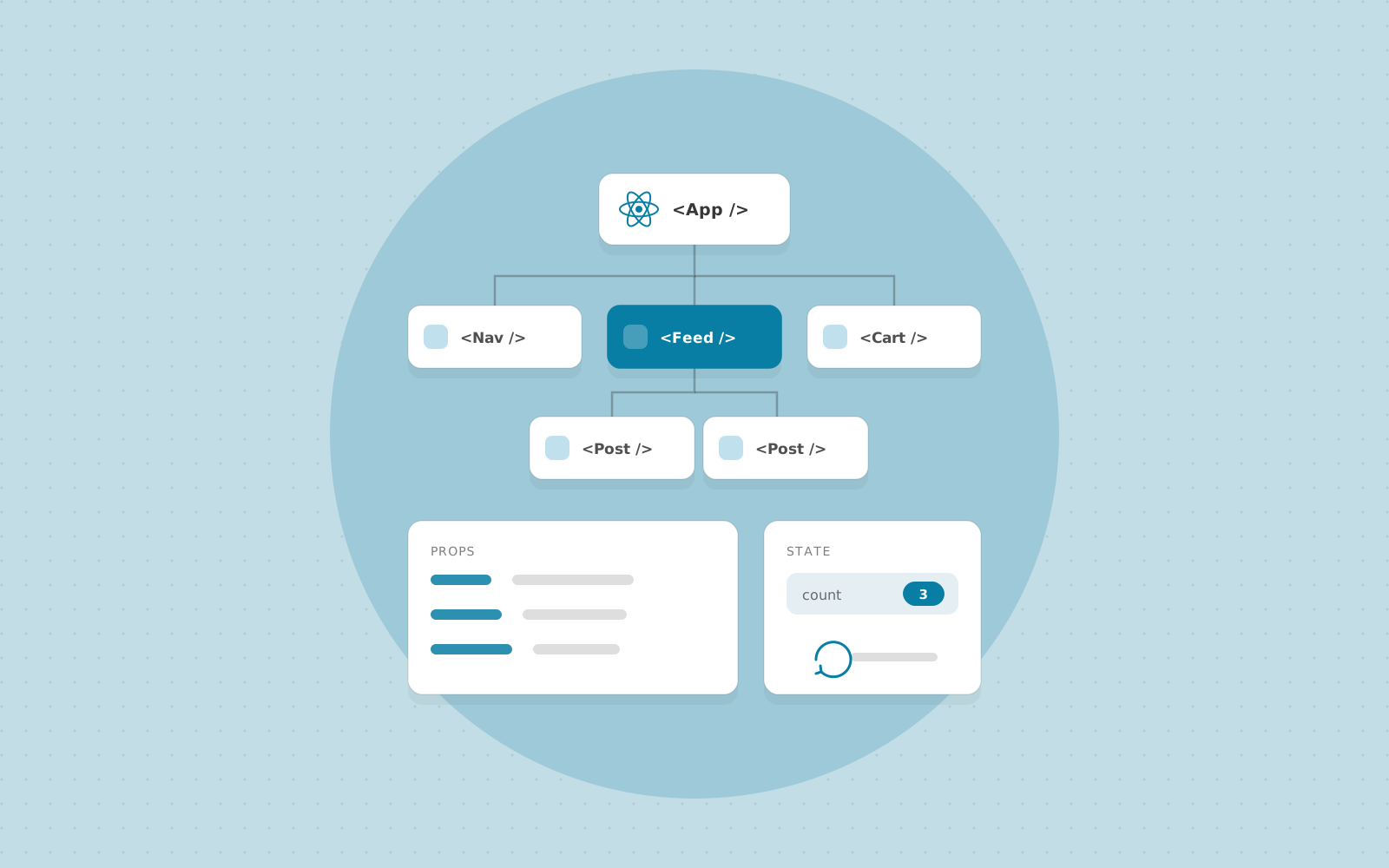
Build fast, maintainable interfaces with modern React, hooks and Next.js.
Learn more
Frontend Development
HTML, CSS and JavaScript from the ground up, the foundation every web developer needs.
Learn more